Leave a Message

Thank you for your message. We will be in touch with you shortly.

Destin Gulf‑Front Condos: From Lifestyle To Cash Flow

February 5, 2026

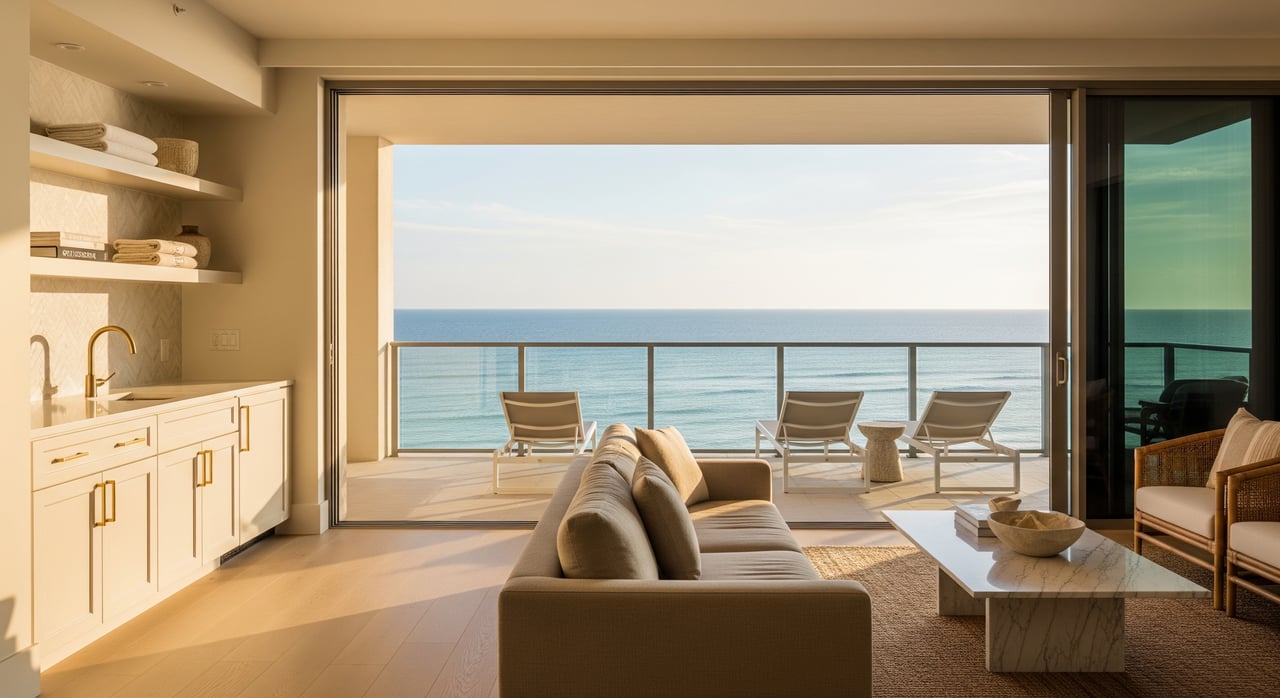
Waking up to emerald water and sugar-white sand never gets old. If you want that view to help pay the bills too, a Destin gulf-front condo can blend lifestyle and rental income in one move. You might be weighing options across the Emerald Coast, running numbers, and wondering what really drives cash flow here. This guide walks you through demand patterns, costs, insurance, rules, building types, and a clear way to model returns so you can buy with confidence. Let’s dive in.

Why Destin gulf-front works

Destin sits in the heart of Okaloosa County and draws steady tourism with family-friendly beaches, a vibrant harbor, fishing, and events. Summer brings weekly vacationers, while spring and fall deliver solid shoulder demand. Winter slows, but long-stay snowbirds can keep certain units occupied. This mix creates a reliable base for short-term rental revenue, especially in buildings with direct beach access and strong amenities.

Gulf-front inventory ranges from older mid-rise buildings to newer luxury towers. You will find everything from compact one-bedroom units to large three-plus-bedroom condos. Pricing shifts with view quality, direct access to the sand, building age and amenities, interior condition, parking, and proximity to Destin Harbor and restaurants.

Seasonality and demand patterns

Peak demand runs from late spring through summer, with weekly Saturday-to-Saturday bookings common. Families plan ahead and pay premium rates for beachfront convenience. Shoulder seasons in spring and fall bring moderate demand, boosted by holidays and fishing events. Winter is quieter, but month-long snowbird stays can add stability for certain buildings and floor plans.

Many condos stick to week-long bookings in summer, then allow nightly or shorter stays in the off-season. Plan your pricing and calendar rules to match how your building performs by month.

What raises rates and occupancy

  • Direct private beach access and unobstructed Gulf views.
  • Two- to three-bedroom layouts that fit family groups.
  • Updated interiors, impact-rated doors and windows, modern HVAC, and in-unit laundry.
  • Strong building amenities like a pool, hot tub, fitness room, elevator, covered parking, beach service, and secure entry.
  • Proximity to Destin Harbor, restaurants, and events.

Costs that shape net cash flow

Cash flow in a coastal condo is about both income and outflows. Build your budget with these categories in mind.

  • HOA dues. These often cover exterior maintenance, landscaping, elevators, a master insurance policy for the building, pool upkeep, trash, and some utilities. Gulf-front buildings with more amenities tend to have higher dues.
  • Property management. Full-service managers typically charge a percentage of rental revenue, and you will also see cleaning and linen fees per stay.
  • Utilities and supplies. Water, sewer, and trash may be included in dues; owners usually pay electricity, internet, cable, and restocking.
  • Repairs, maintenance, and reserves. Salt air means more frequent upkeep for HVAC and exterior elements. Associations can levy special assessments.
  • Taxes and tourist development taxes. Short-term rentals are subject to state sales tax, plus local tourist taxes. Confirm exact rates and filing rules with the appropriate state and local offices.

Insurance and coastal risk

Coastal exposure affects premiums and deductibles. Association master policies usually cover the building structure and common areas. You will likely need an HO-6 policy for interior improvements, personal property, liability, and loss assessment coverage. Flood insurance is separate and may be required, depending on the flood zone. Pay close attention to hurricane deductibles. In Florida they are often a percentage of the insured value and can be allocated to owners after a storm.

Local rules and rental policies

Short-term rentals are regulated and taxed. Florida applies a state sales tax on short-term stays. Okaloosa County and the City of Destin may require registrations, permits, or business tax receipts for vacation rentals. Associations can set minimum stay lengths, limit owner use during peak weeks, require approved managers, and enforce registration procedures. Always review association documents and local requirements before you buy.

Building types and amenities to weigh

  • Older mid-rise condos. Lower entry prices are common, with strong weekly demand for true beachfront units. Be mindful of deferred maintenance or special assessments.
  • Newer luxury towers or boutique buildings. Higher purchase prices and HOA dues, with resort-style amenities and higher average daily rates.
  • Smaller complexes. Often fewer amenities and lower dues, but less on-site management and services.

Amenities that boost value include private beach access, pools and hot tubs, covered or assigned parking, elevators, fitness centers, grills, community rooms, beach service, and hurricane-resilient features like impact glass. Updated interiors and hard-surface flooring help both rental appeal and durability.

Run the numbers the right way

You do not need guesswork to evaluate a condo. Use a simple, conservative model.

  1. Estimate gross revenue. Start with expected occupancy and average daily rate by season. Break out the summer weekly bookings and shoulder or winter nightly patterns.

  2. Subtract variable expenses. Include management fees, cleaning, supplies, booking platform fees, utilities, and routine repairs.

  3. Subtract fixed costs. Add HOA dues, property taxes, insurance, flood insurance, and reserves.

  4. Calculate NOI. Net operating income equals revenue minus operating expenses, before any mortgage.

  5. Compute cap rate. Divide NOI by your purchase price. Expect cap rates to be modest in gulf-front condo markets, since HOA and insurance costs are higher.

  6. Check cash-on-cash. If you plan to finance, measure cash flow after debt service against your cash invested.

Run three scenarios: conservative, mid, and optimistic. Stress test for hurricane closures, lower winter revenue, and a potential special assessment. If the conservative case still works for you, you are on the right track.

Destin vs nearby beach options

  • Destin. Well-known resort destination with strong family rental demand and high ADR potential for true gulf-front units. Competition for prime beachfront can raise purchase prices.
  • Miramar Beach and Sandestin. Resort settings with full-service amenities that attract family and resort clientele. Expect higher resort costs in some gated communities.
  • Fort Walton Beach. Often more affordable in select pockets, with appeal to family tourism. ADRs can be lower than Destin for similar beachfront.
  • Panama City Beach. Large supply at many price points and steady tourism, including event-driven demand. Expect seasonality and competitive pricing in some segments.
  • South Walton and 30A. Premium, village-style communities with strong lifestyle demand. Prices can be very high and rental rules tighter in some areas.

Pitfalls to avoid

  • Skipping the association reserve study or ignoring hurricane deductibles. These can lead to large, surprise costs.
  • Assuming summer performance equals year-round results. Winter and early spring can be softer.
  • Underestimating HOA dues and not confirming what they cover.
  • Overlooking association rental rules or local permitting and tax compliance.
  • Forgetting to price in coastal insurance and flood coverage.

Buyer due diligence checklist

  • Gather HOA documents. Review covenants, bylaws, budgets, insurance declarations, reserve studies, and recent meeting minutes.
  • Confirm hurricane deductible and assessment history. Ask how deductibles are allocated to owners after a storm.
  • Validate rental performance. Use building-level data and local property manager input for ADR and occupancy by season.
  • Verify taxes and permits. Check registration and tourist tax requirements with local authorities.
  • Get insurance quotes. Align them with the association’s master policy and the specific flood zone.
  • Speak with multiple managers. Compare net revenue expectations and marketing strategies.
  • Verify parking, storage, and deeded beach access. Check for impact glass or shutters that can influence premiums.
  • Confirm financing rules. Ask your lender about condo project eligibility and down payment needs for second homes or investment properties.

How we help you move faster

If you are out of market or short on time, you still deserve a thoughtful, data-grounded purchase process. Our boutique team pairs neighborhood-level insight with private air and boat access to streamline showings across Destin and nearby beaches. We coordinate HOA document reviews, introduce vetted property managers and insurance brokers, and help you run conservative, three-scenario models so you can buy for lifestyle and cash flow with clarity.

Ready to see the buildings that match your goals and timeline? Schedule a private tour and get a tailored revenue and cost breakdown for your top picks. Connect with Edward Wall for a concierge approach from first showing to first booking.
FAQs

What months drive most bookings in Destin?

  • Late spring through summer is the peak with strong weekly demand, while spring and fall are steady shoulder seasons and winter shifts to longer snowbird stays.

What do HOA dues usually cover in gulf-front condos?

  • Dues often include exterior maintenance, landscaping, elevators, a building master insurance policy, pool upkeep, trash, and some utilities, but specifics vary by building.

What insurance does a Destin condo owner need?

  • Most owners carry an HO-6 policy for interiors, personal property, liability, and loss assessment, plus separate flood insurance, alongside the association master policy.

Can I self-manage a Destin vacation rental?

  • It depends on association rules and local requirements; some buildings allow self-management, while others require approved managers or registration.

What taxes apply to short-term rentals in Okaloosa County?

  • Short-term stays are subject to Florida state sales tax and local tourist development taxes, with registration and remittance rules set by local authorities.

How should I model returns on a gulf-front condo?

  • Estimate seasonal revenue, subtract variable and fixed costs, calculate NOI and cap rate, then evaluate cash-on-cash across conservative, mid, and optimistic scenarios.

Work With Us

Edward decided to come out of retirement and achieved his Real Estate License. Now with his company, RealtorWithWings, LLC, he can offer an unparalleled experience for his real estate clients, by providing transportation by air and by boat whenever it’s advantageous.