Seaside vs Seagrove Beach on 30A: Which Is Right for You?
May 21, 2026
May 21, 2026
Trying to choose between Seaside and Seagrove Beach for your 30A plans? At first glance, they sit close together and share the same sugar-white shoreline, but the ownership experience can feel very different once you look past the beach photos. If you are deciding where to buy a second home, vacation property, or full-time coastal place, understanding those differences can save you time and sharpen your search. Let’s dive in.
Seaside and Seagrove Beach are neighbors along 30A, but they offer two distinct ways to enjoy the coast. Seaside is known for a more curated, design-driven town layout, while Seagrove Beach feels older, more varied, and less centralized.
That difference matters when you are comparing walkability, beach access, architecture, HOA structure, and even the kind of property search you want. In simple terms, Seaside often appeals to buyers who want a polished, highly organized setting, while Seagrove often works better for buyers who want more variety and flexibility.
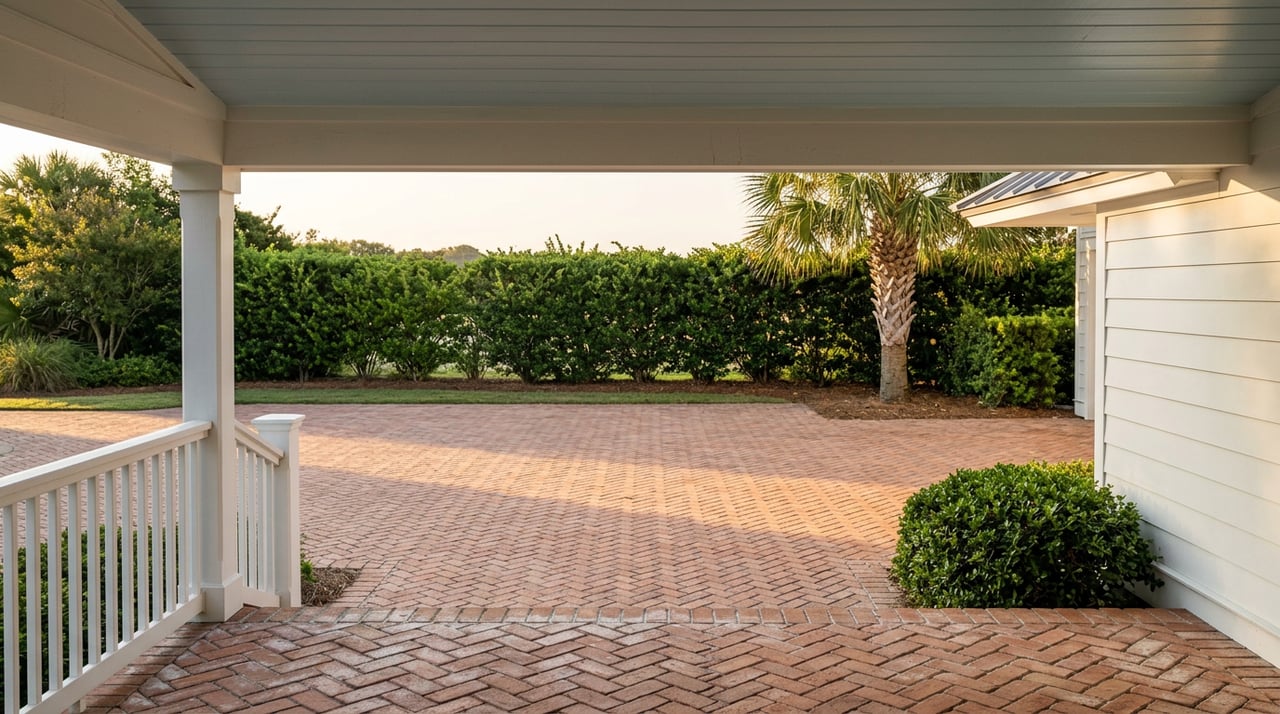
Seaside describes itself as the world’s first New Urbanist town. Its layout emphasizes pedestrian streets, brick-paved roads, white-sand footpaths, and a town center where homes, dining, and retail are generally within a five-minute walk.
For many buyers, that creates a clear sense of place. You are not just buying a home. You are buying into a town fabric with a recognizable look, a structured layout, and stronger design control.
Seaside is closely tied to form-based architectural and zoning standards. That means the visual rhythm of the town feels intentional, from home exteriors to the overall street experience.
If consistency matters to you, this can be a major advantage. Buyers who value a cohesive aesthetic often like knowing that the surrounding streetscape is shaped by a clear design framework.
One of Seaside’s biggest strengths is convenience on foot. The town says shopping and dining are within a five-minute walk of all residences, which supports a compact, village-like feel.
That kind of walkability can change your day-to-day routine in a good way. Morning coffee, dinner plans, and casual errands may feel simpler when so much is centered around Central Square and nearby streets.
Beach access in Seaside is organized around street pavilions. According to Seaside, vacation-rental guests use the pavilion tied to their street, while public access is available through Coleman Pavilion by booking through Cabana Man.
For buyers, this means access can be more structured than in other 30A areas. It is important to understand that beach access may depend on location and HOA rules tied to a specific street.
Seagrove Beach dates back to 1949 and has a very different feel. It developed more organically, and today it is known for a mix of older Florida cottages, newer homes, condos, and a broader spread of lot and architectural styles.
If Seaside feels like a carefully composed resort village, Seagrove often feels more like a layered beach neighborhood. That can be especially appealing if you want choices rather than a single visual identity.
Seagrove’s built environment is more mixed. Sources describe both vernacular beach traditions and some modern design influences, which helps explain why one block can feel different from the next.
That variety can open up more options for buyers. You may find condos, smaller-footprint properties, older homes with character, and newer detached homes across a wider range of styles.
Seagrove stands out for public beach access. It has been described as having more public access beach points than any other 30A community, and Santa Clara Regional Beach Access includes handicap accessibility, a lifeguard, restrooms, parking, and a free lending library.
If easy public access matters to you, Seagrove has a practical advantage. Rather than relying on a single centralized system, you have more access points woven into the area.
Seagrove is more spread out than Seaside, but it sits in a very convenient part of 30A. It is positioned between communities to the west like Seaside, WaterColor, and Grayton Beach, and communities to the east like WaterSound, Alys Beach, and Rosemary Beach.
That central location can work well if you like moving around the corridor. You may trade some compact walkability for more neighborhood flexibility and easier access to different parts of 30A.
Lifestyle often comes down to how you want your days to feel. In Seaside, dining is tightly clustered around Central Square and Airstream Row, with options like Wild Nectar, The Shrimp Shack, The Meltdown on 30A, Taco Bar, Pickle’s Burger and Shakes, and others grouped in a walkable core.
That setup supports a convenient, resort-style rhythm. You can park once, walk often, and enjoy a town center that is built for easy movement.
Seagrove’s dining scene is more dispersed. Long-running spots in the area include Seagrove Village Market Cafe, Cafe Thirty-A, Surfing Deer, Old Florida Fish House, The Perfect Pig, Pizza By The Sea, and Dough Sea Dough.
For some buyers, that looser setup feels more relaxed and neighborhood-driven. You may drive a bit more, but you also get a broader, less centralized pattern of daily life.
This is one of the most important differences for buyers. Seaside does not operate like a loose collection of unrelated homes. Its FAQ notes that each street is managed by its own HOA, and beach access is determined by location and HOA rules.
That means you need to review the rules of the specific street or property you are considering. In a place with stronger design oversight, details like use, access, and architectural review can be especially important.
Seagrove does not present as one town-wide governance model. Instead, buyers should expect HOA or COA rules to vary by subdivision, condo building, or planned enclave.
That parcel-by-parcel structure can offer flexibility, but it also requires careful review. If you are comparing investment use, owner use, or rental-readiness, property-level due diligence matters in Seagrove even more.
If rental use is part of your plan, the two areas also differ in feel and management structure. Seaside has a clearly defined vacation-rental ecosystem, and its Homeowner’s Collection says it is the only rental company exclusive to Seaside properties and manages more than 190 private homes.
That can appeal to buyers who want a more established, branded rental environment. It suggests a market where rental activity is already integrated into the ownership experience.
Seagrove is more of a patchwork. Property types and community structures vary, so rental rules, operational setup, and ownership expectations may differ significantly from one property to another.
For investor-minded buyers, that means there may be more variety in Seagrove, but also more need to verify the details before you commit. Vacation-rental operations experience can be especially valuable when comparing these property-level differences.
For broader context, the Santa Rosa Beach market has been reported with a median listing price of $1.20 million, a median rent of $3.3K, and median days on market of 69. Zillow also shows typical home values of $872,224 and a median list price of $1.2 million for the broader Santa Rosa Beach market.
Those are not Seaside or Seagrove medians, but they help frame the surrounding 30A pricing environment. Both micro-markets live inside a premium coastal corridor, even if their inventory mix looks different.
Recent Seaside listings reviewed in the research ranged from a $339,000 condo and a $499,000 condo to homes priced at $724,900, $1.1 million, $2.975 million, and up to $15.5 million for a Gulf-front house. That points to lower-cost condo entry options, with detached homes moving quickly into higher price tiers.
In practical terms, Seaside can offer an entry point through condos or townhome-style options, but buyers seeking a detached home should expect a premium. The town’s design identity and walkable setting are part of that value equation.
Recent Seagrove listings reviewed in the research ranged from a $515,000 condo and a $760,000 condo to a $945,000 condo, a $1.25 million house, a $1.495 million house, and luxury homes priced at $8.9 million and $9.95 million. The spread reflects a more varied housing mix.
That wider range can be useful if you are still narrowing your exact goals. Whether you want a condo, a cottage-style property, or a larger detached home, Seagrove may present more combinations across price points and property types.
Choose Seaside if your top priorities are walkability, a strong town center, and a more controlled architectural setting. It tends to fit buyers who want a polished, highly legible coastal experience where the environment feels intentional and easy to navigate.
Choose Seagrove Beach if your top priorities are public beach access, property variety, and a more flexible neighborhood feel. It often fits buyers who want more options from one parcel to the next and a setting that feels less formal and more mixed.
Neither is better in every case. The right fit depends on how you plan to use the property, how much structure you want around ownership, and whether your version of 30A is more village-centered or more open-ended.
If you want help comparing specific properties in Seaside and Seagrove Beach, Edward Wall can help you evaluate neighborhood fit, rental-readiness, and the details that matter before you make a move.
Edward decided to come out of retirement and achieved his Real Estate License. Now with his company, RealtorWithWings, LLC, he can offer an unparalleled experience for his real estate clients, by providing transportation by air and by boat whenever it’s advantageous.