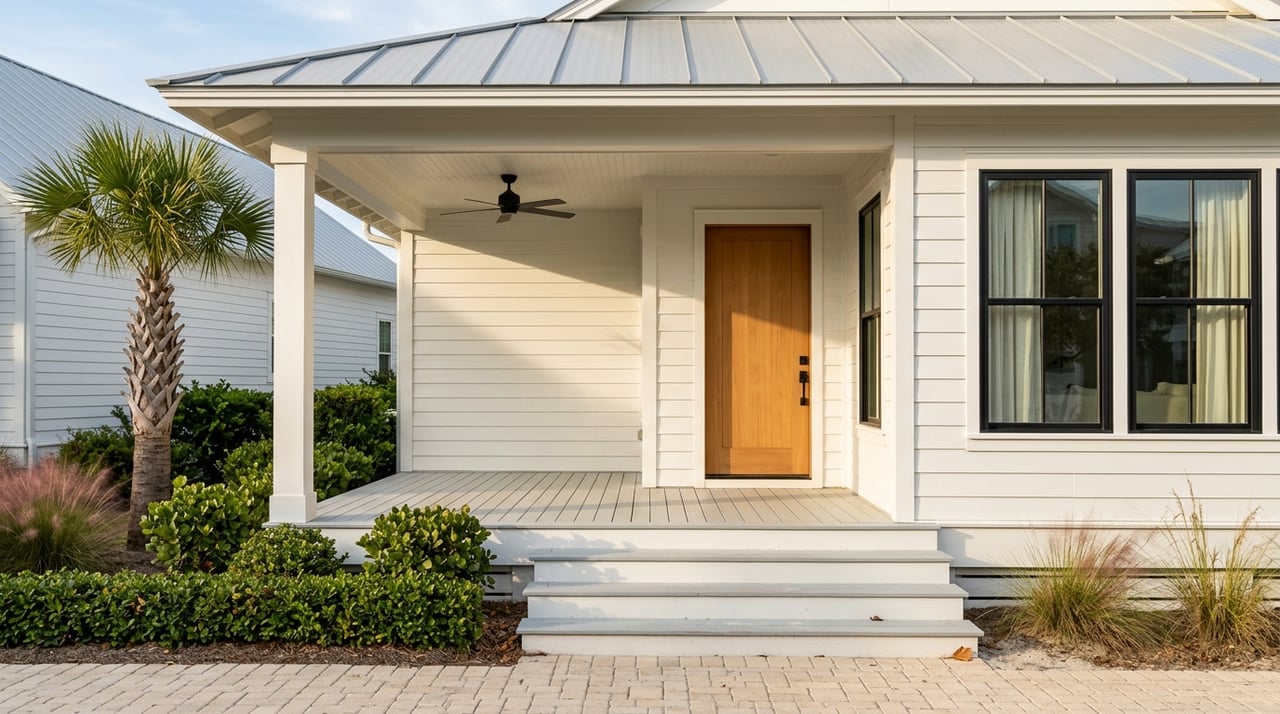
What Draws Buyers To Seaside Beach On 30A
July 2, 2026
July 2, 2026
What makes buyers choose Seaside over other 30A communities? For many, it comes down to a rare mix of walkability, beach lifestyle, and a built-in sense of place. If you are comparing beach towns along 30A, Seaside stands out for how intentionally it was planned and how easy it is to enjoy day to day. Let’s take a closer look at what draws buyers to Seaside Beach on 30A.
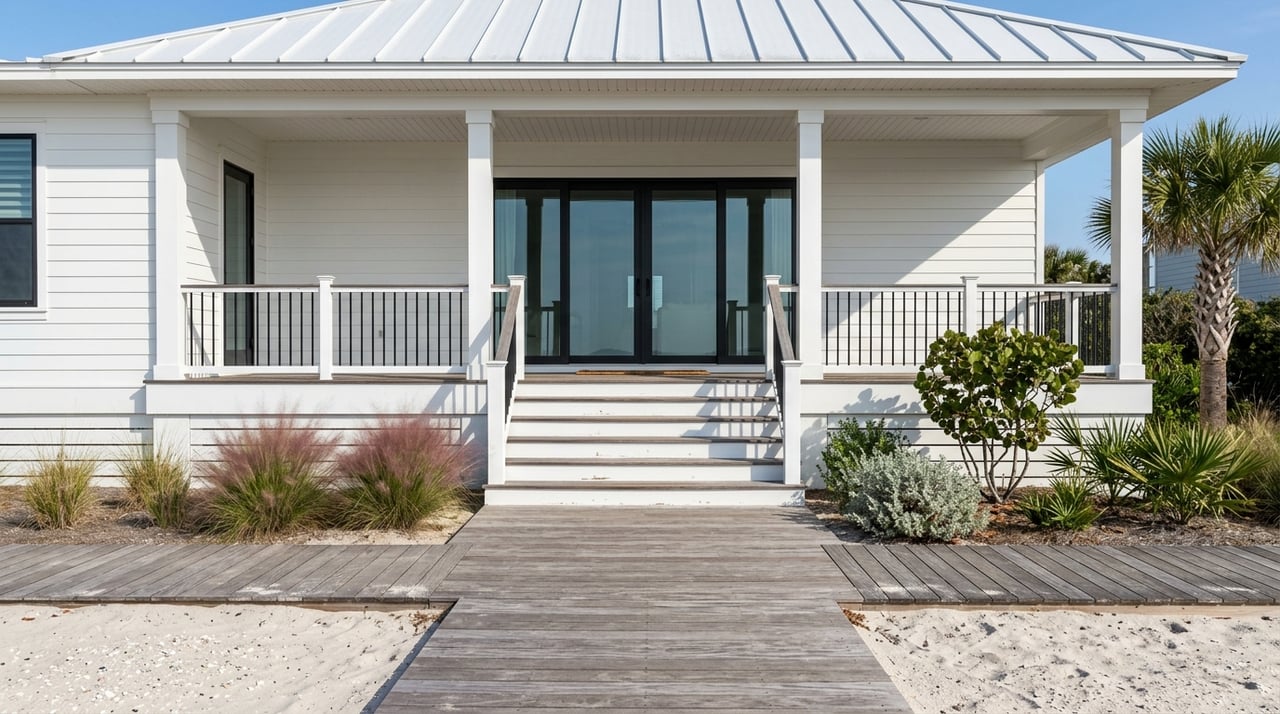
One of Seaside’s biggest draws is that it was designed around walking and community life. According to Seaside’s official history, the town was created so residents and guests could move around with less dependence on driving, using narrow streets, brick paving, white-sand footpaths, and native landscaping.
That planning still shapes the buyer experience today. With homes, shops, restaurants, galleries, and The Court hotel gathered around a central layout, much of daily life stays within a short walk. For buyers who want a beach home that feels connected rather than scattered, that is a major advantage.
Seaside describes itself as more than a beach community, and that difference matters when you are buying. The town says it now includes more than 300 homes, restaurants, shops, and galleries, all tied together by a strong central identity.
That creates a setting many buyers find hard to replicate elsewhere on 30A. Instead of feeling like a loose collection of vacation properties, Seaside often feels more like a neighborhood with a shared rhythm. If you want a place where you can step outside and feel part of a larger community, Seaside checks that box.
Central Square is a key part of Seaside’s appeal. The town’s layout keeps shopping and dining within about a five-minute walk of residences and The Court hotel, which supports a simpler, more relaxed routine.
For buyers, that can mean less time getting in the car and more time enjoying the beach lifestyle. Morning coffee, dinner out, browsing local shops, or heading to an event can all fit naturally into the day. That kind of convenience tends to matter even more for second-home owners who want easy, low-stress stays.
Of course, beach access is one of the first things buyers ask about in Seaside. The area is known for sugar-white sand and clear Gulf water, and that beach setting remains a big part of the lifestyle appeal.
But in Seaside, beach access is not one-size-fits-all. Seaside states that vacation-home guests receive access to the pavilion tied to their street and HOA, while public access is limited to Coleman Pavilion by reservation through Cabana Man. Walton County tourism also notes that Seaside is one of the resort areas with private beachfront, even though people may traverse the wet sand along the county’s shoreline.
This is one of the most important due diligence points in Seaside. Buyers should confirm exactly what beach access comes with a property, including pavilion use, HOA limitations, parking arrangements, and whether the listing’s beach rights match what they expect from the map.
That extra verification matters because Seaside’s appeal is tied not just to being near the water, but to how each property connects to the beachfront system. For second-home buyers and rental-minded owners, clear answers on access can shape both lifestyle and ownership expectations.
Seaside is not just visually appealing. It also has a very active calendar. Seaside’s 2025 recap says the town hosted 275 events, 87 live music performances, 52 weeks of farmers markets, 51 Central Square Cinema screenings, and four days of the 30A Songwriters Festival.
That level of activity gives the town energy throughout the year. Buyers who want more than a quiet place to sleep often see this as a real benefit. It helps Seaside feel lively, social, and consistently engaging.
Art has long been part of Seaside’s identity, according to the town’s history. That cultural focus adds another layer to the buyer appeal, especially for people who want a beach setting with more than just sun and sand.
In practical terms, this means you are buying into a place with recurring public events, visual character, and a stronger sense of programming than many coastal communities. For some buyers, that makes Seaside feel more polished and complete.
Seaside often appeals to buyers who plan to use a home with extended family or multiple generations. The walkable layout, Central Square, and recurring events support a routine built around short walks, bike rides, meals out, and shared outings.
That ease can be especially valuable when different age groups are using the property at the same time. A community where people can spread out, reconnect, and enjoy activities without constant driving tends to be attractive for group use.
Many Seaside buyers come from outside the local area, and access matters. Seaside says Northwest Florida Beaches International Airport is about 25 miles away, and Destin-Fort Walton Beach Airport is about 40 miles away.
The town’s 2026 transportation plan also includes managed parking and a complimentary shuttle from a lot off U.S. 331 to Central Square. That suggests demand is strong, but it also shows that the area has systems in place to help people reach and navigate the town. For busy second-home buyers, that convenience can make ownership easier.
Compared with some nearby 30A communities, Seaside feels more intentional and more programmed. Its planning model, central gathering spaces, and event calendar create a setting that is highly curated.
That is often exactly what buyers are looking for. If you want a beach town where design, layout, and activity all work together, Seaside offers a specific kind of experience that is hard to confuse with anywhere else on 30A.
It also helps to understand Seaside in context. Visit South Walton and VISIT FLORIDA describe nearby Seagrove Beach as quieter, more laid back, and more nature-forward, with family-run businesses, shade from oaks and magnolias, coastal dune lakes, and access to the Timpoochee Trail.
VISIT FLORIDA also says Seagrove stretches two miles along the Gulf and offers more beach accesses than any other South Walton area. For buyers who prefer a softer, less programmed setting, Seagrove may be a better fit. For buyers who want a stronger town center and a more event-driven lifestyle, Seaside is usually the clearer match.
Seaside tends to resonate with buyers who value low-car daily living, easy walks between home and local amenities, and a built-in social calendar. It can also appeal to second-home buyers who want a place that is relatively easy to reach from regional airports.
Rental-minded owners may also find Seaside appealing, but they should pay close attention to the exact access rights and community rules tied to a property. In this market, the details matter. The most successful purchase decisions usually come from matching the property’s logistics to your goals.
In the end, Seaside draws buyers because it offers more than beach frontage. It combines design, walkability, community activity, and a recognizable town identity in a way that feels deliberate and memorable.
For the right buyer, that combination creates a lifestyle that is easy to enjoy and easy to picture long term. If you are looking at 30A and want a beach community with structure, energy, and a strong sense of place, Seaside deserves a close look.
If you want help comparing Seaside with other 30A communities or verifying beach access details on a specific property, Edward Wall can help you navigate the options with local insight and concierge-level guidance.
Edward decided to come out of retirement and achieved his Real Estate License. Now with his company, RealtorWithWings, LLC, he can offer an unparalleled experience for his real estate clients, by providing transportation by air and by boat whenever it’s advantageous.