The $75,000 Cliff Hiding Inside the Word "Watersound"
September 24, 2026
September 24, 2026
A buyer called me this spring with two listings pulled up side by side, both labeled Watersound, both inside walking distance of a golf cart path, both roughly the same square footage. One was priced at $650,000. The other was quoting north of $4 million. She wanted to know which agent was wrong.
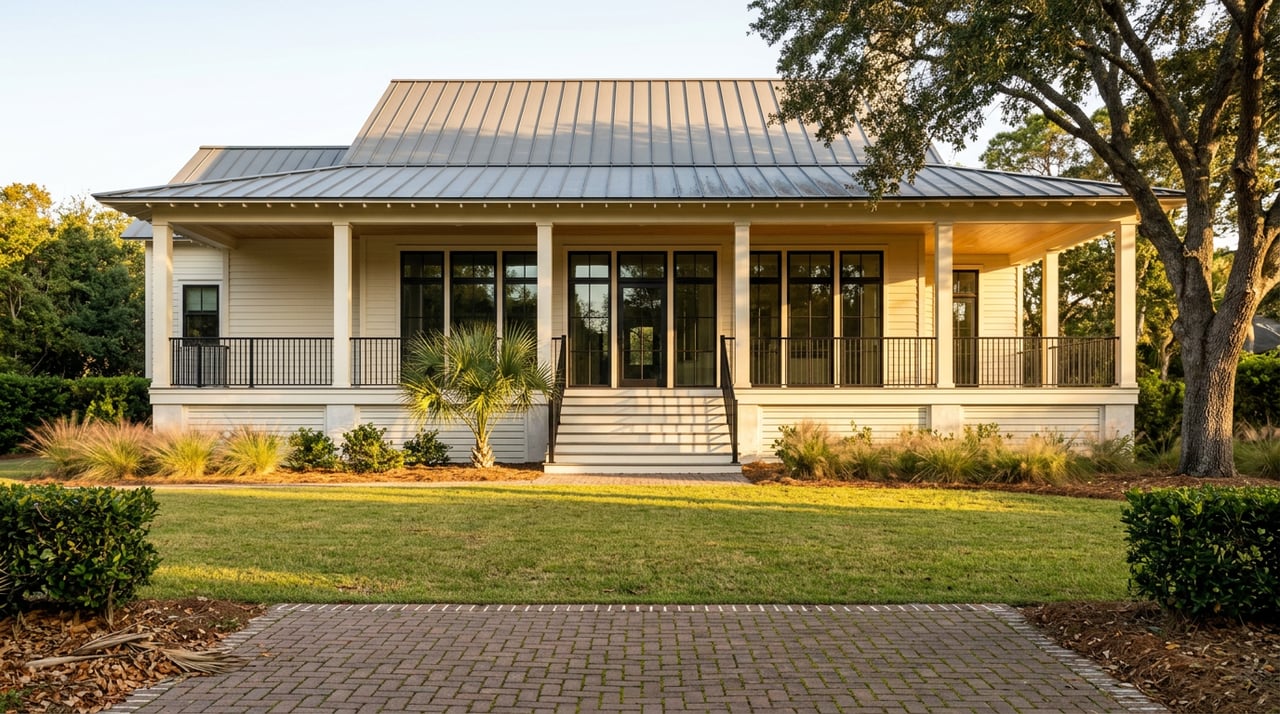
Neither was. She had stumbled onto the fact that "Watersound" is not a neighborhood. It is a brand name St. Joe Company put on a stretch of Walton County that now contains at least half a dozen distinct products, each with its own price floor, its own negotiating posture, and its own rules about what you can actually do with the house once you own it. Treat them as one market and you will misprice your offer in either direction. Treat them as what they are and the confusion clears fast.
Here is the number that should reframe how you search. Over the twelve months ending in August 2026, the most expensive home to sell inside Watersound Origins closed at $3,875,000. In that same window, the least expensive home to sell inside Watersound Camp Creek closed at $3,950,000. There is a $75,000 gap between the ceiling of one market and the floor of the other, and nothing sold in between.
That is not a gradual price curve. It is a cliff. Origins and Camp Creek do not compete for the same buyer at any price point. They sit end to end.
Inside Origins, entry pricing depends heavily on product type. Townhomes and garden homes start around $500,000. Detached single-family homes start in the mid $600,000s. Across the full mix, the average sale lands near $1 million. Camp Creek offers exactly one product: large custom homes on quarter-acre to nearly one-acre homesites, built inside a gated community of roughly 260 lots alongside Camp Creek Golf Club. There is no entry-level version. If you are shopping under $2 million, Camp Creek is not on your list, no matter what the shared brand name suggests.
The price gap is the headline, but the behavior underneath it is what actually changes your strategy. Origins and Camp Creek behaved like two different economies over that same twelve-month window.
| Watersound Origins | Watersound Camp Creek | |
|---|---|---|
| Homes sold (trailing 12 months) | 249 | 16 |
| Median sale price vs. list | 100% of list | 95.67% of list |
| Average sale vs. original list | 99.65% | 94.25% |
| Homes under contract within 30 days | 49% | Not applicable |
| Median days on market | Under 30 for half of sales | 65 |
Read that table as instructions, not trivia. In Origins, half of all sales went under contract inside 30 days and the typical closing landed at full list price. If you walk in with a lowball offer on a well-priced Origins home, you are not negotiating. You are watching someone else close the deal while you draft a counter.
Camp Creek runs the opposite way. Sixteen sales in a full year is a thin market, and thin markets move slowly. A median close at roughly 96 percent of list and a 65-day median timeline both point to buyers who had room to negotiate and used it. If you are shopping Camp Creek, showing up with your best and final on day one leaves money on the table. If you are selling there, plan for a longer runway and a buyer who expects to talk price.
Camp Creek buyers should account for the required Watersound Club membership. It is built into the ownership structure rather than offered as an upgrade, so budget for it the same way you budget for closing costs; it is not a line item you can decline your way out of once you own the lot.
Origins works differently. Homeowners there are automatically enrolled in a base level of Watersound membership, and that membership can be upgraded to include Beach Club and golf privileges at Camp Creek, but the upgrade is a choice rather than a condition of ownership. That distinction matters if your budget is built around the sticker price of the house rather than the recurring cost of belonging to it.
The club infrastructure itself keeps expanding, which is worth knowing if amenities factor into your decision. Golf legend Davis Love III designed a third course for the Watersound Club, which opened in March 2025 and added a new anchor to the golf-focused end of the community. Near Camp Creek, a boutique property called Camp Creek Inn has opened with course views, and a barbecue restaurant, Bark 'N Brine, has joined the dining lineup this year. None of that changes the price cliff between the two communities, but it explains part of why Camp Creek buyers are paying for more than square footage.
The two communities were built for different daily lives, and the rental posture makes that explicit.
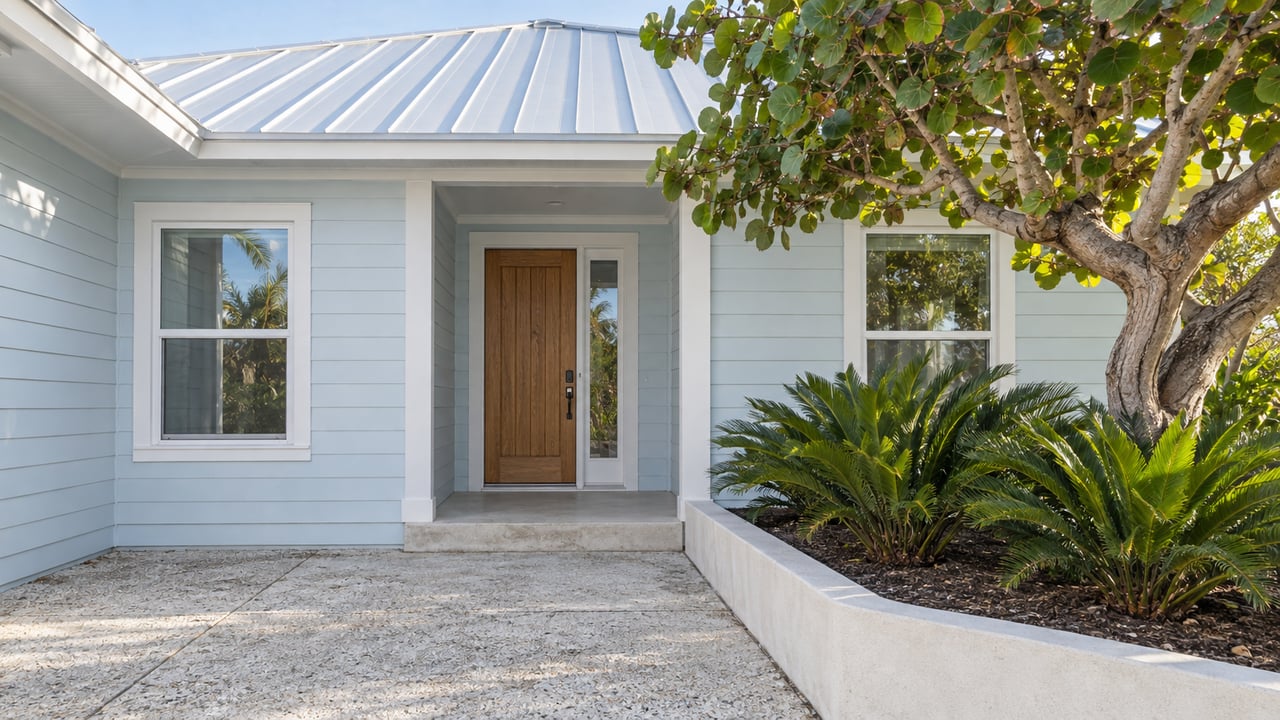
Origins was designed around walkability, green space, and neighborhood connectivity rather than vacation turnover. Many pockets inside it are positioned for primary and second-home owners who want a stable street, not a rotating cast of weekly renters. That design choice contributes to a village feel, with a Publix and daily errands built into the plan.
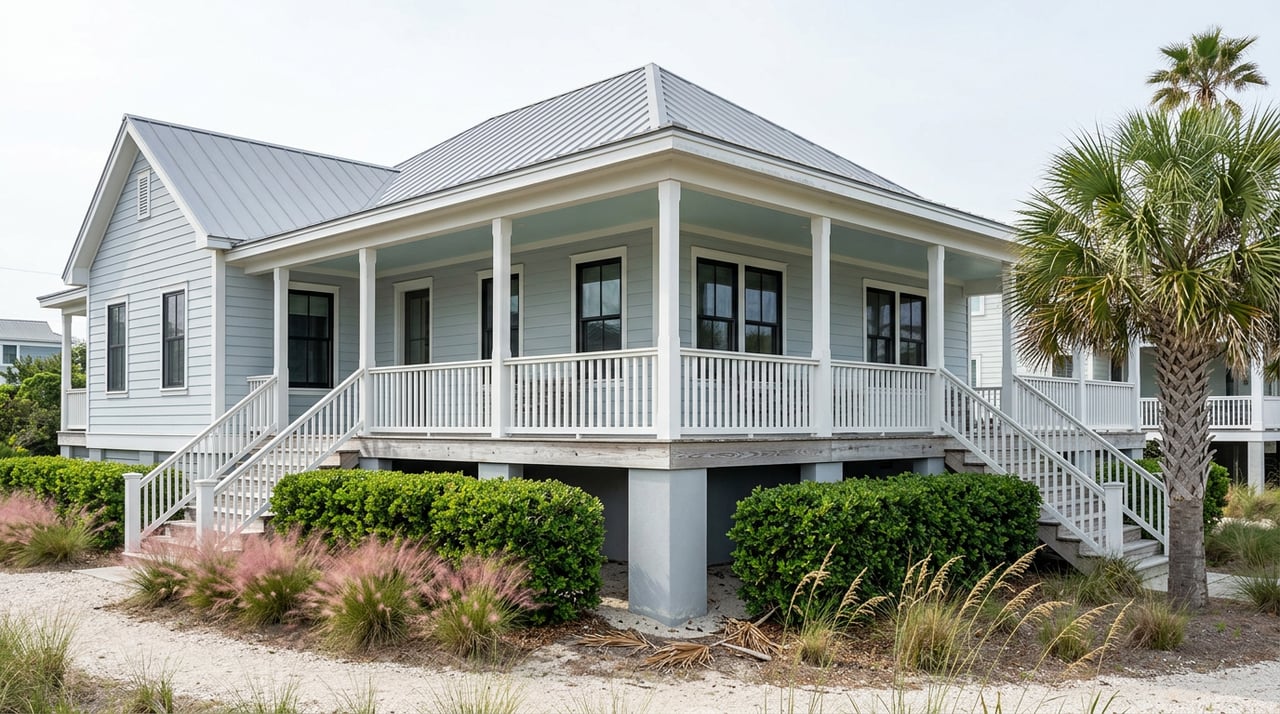
Camp Creek listings commonly note that short-term rentals are not allowed on the property. Combined with the mandatory club membership, that tells you who Camp Creek is built for: buyers purchasing a primary or long-stay second home inside a private golf community, not an income property.
Both of those rental postures live inside recorded HOA documents and CC&Rs rather than marketing copy, and the specific language varies by pocket and by builder phase. If a short-term rental income stream is part of your plan for either community, confirm the exact language for that parcel before you write an offer. A listing-sheet summary is not the same as a recorded restriction.
If your budget tops out under $2 million and you want walkable streets, a Publix within reach, and a mix of housing styles from townhomes to custom builds, Origins is the market you are actually shopping, and you should expect to compete at close to full price for anything priced correctly.
If your budget starts above $4 million and you want a private, gated setting with one home style, direct golf course access, and a club membership that comes with the deed rather than as an option, Camp Creek is the product, and you have more room to negotiate than the sticker price suggests.
There is functionally no overlap between the two, which means the search filter that matters most is not "Watersound." It is which Watersound, and what your number actually buys inside it.
Can I buy in Origins and still get Beach Club or golf access? Yes, through an upgraded Watersound membership, but confirm current membership tiers and costs before you assume it is included in the purchase price.
Is Camp Creek only for golfers? No, though the community sits directly alongside Camp Creek Golf Club and the required club membership includes golf access whether or not you use it regularly.
Are there other Watersound communities besides these two? Yes. Latitude Margaritaville Watersound is a separate, age-restricted lifestyle community. It carries its own pricing and rules, which is the same lesson repeated across the Watersound name.
Comparing Origins to Camp Creek on paper only gets you so far. The faster way to know which one actually fits your budget and your plans is to walk both in the same afternoon, which is exactly the kind of scheduling problem private air and boat access solves for buyers who do not live nearby. If you want to see the price cliff in person before you commit to either side of it, Realtor With Wings can schedule a private showing across both communities in a single visit.
This article is general information, not legal, tax or financial advice. Consult a qualified professional about your situation.
Edward decided to come out of retirement and achieved his Real Estate License. Now with his company, RealtorWithWings, LLC, he can offer an unparalleled experience for his real estate clients, by providing transportation by air and by boat whenever it’s advantageous.